- Email:info@psycare.it
- WhatsApp: +39 375 703 9065
20 Feb
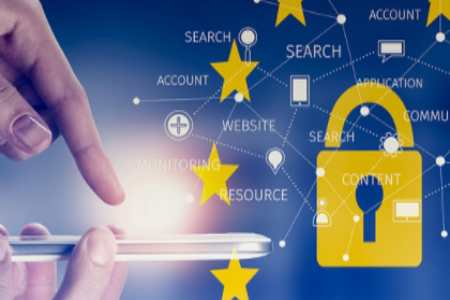
In the activities of telemedicine, the privacy and i personal data They are the cornerstone, now more than ever, around which a professional’s entire work revolves. This is even more true for healthcare professionals.
Violation at privacy means, in simple terms, if and when they match personal data, or so-called “sensitive and private data” to a specific person; or even when one comes into possession of personal information without the authorization of the owner of that data. Even and especially when it is exercised with the support of the teleconsulto.
We know well that the basis of most online messaging application software is monitoring: synonymous with detection, observation, control. Of most, if not all, software. In short, “only what is not done is not known.” With due exceptions, of course. Even platforms that promise to maintain the privacy and protect the personal data, they track users. But, be careful, being tracked does not mean that the privacy policy has been violated. privacy of the user in question.
The problem explodes if (for the telemedicine) the privacy, oh yeah personal data, are those of a healthcare professional, also the custodian of the personal data of his patients. Privacy which, according to the General Data Protection Regulation personal data (GDPR), is subjected – rightly – to particularly severe protection, even more so in teleconsulto.
Certainly, both patients and healthcare professionals are increasingly open to this type of application which, thanks to telemedicine, allows for the management of online psychotherapy. Applications that facilitate conversation and significantly reduce times (travel, waiting). In short, they allow people to meet even if they are physically distant or unable to do so. But the telemedicine presupposes the sharing of the privacy and of the personal data. In short, applications of this type bring us closer even when it is (or seems) impossible.

The ever more up-to-date technologies and new communication tools that support the Telemedicine is available to an ever-increasing number of users. And it has undoubtedly improved the relationship between healthcare professionals and patients. The availability of increasingly efficient services, including in terms of responding to the growing needs of users, represents a concrete opportunity for the evolution of the concept of healthcare. Today, it is understood as a new dimension. However, even in telemedicine, as much as the protection of the privacy and of the personal data as the ethical principle relating to professional secrecy, may be compromised.
Protecting personal data: the first rule of telemedicine
The digital age is characterized, in this fundamental aspect, by the presence of a new protagonist: the connectivity service provider, the platform that the professional uses, so to speak, to implement telemedicine. In several cases (not to mention many), the terms of the treatment of privacy and then of the personal data they are not always transparent. The privacy, therefore, could be at risk. It is therefore important to clearly understand the connections between telemedicine, privacy, and the GDPR.
In 2020, the dust has risen and the problem explodes; in the midst of a pandemic, it all becomes both emblematic and worrying. Needs are changing, and so are habits. And, inevitably, fortunately, telemedicine is immediately available. With the appropriate considerations.
The report of Federprivacy estimates an average of 145 thousand euros in fines attributable to the violation of the privacy (Internet & E-Commerce sector) regarding violations attributable to personal data. And let’s not underestimate the risk that patients will (fully) file legal action to seek compensation for damages. Both financially and professionally, this is nothing to joke about.
The new telemedicine software: PSYCARE
The publicity of these sanctions/decisions should alert healthcare providers to their obligations; and, above all, to the need to strengthen their vigilance over the security measures applied to the personal data they process. The goal will be to encourage them to choose new application solutions; solutions that offer, along with the ability to provide the highest guarantees in terms of IT security and personal data protection..
More than just encouragement, the warning is to be cautious when developing and configuring your internal IT system, surrounding yourself, if necessary, with competent service providers.
There’s a new online software: safe and simple. Designed and developed by an expert team that prioritizes patient safety when managing telemedicine activities. personal data and the protection of the privacy. It is a software designed for psychologists and psychotherapists that allows the management of patients online, making integrated services with high quality standards available in a single platform: it is called PSYCHIC. It offers safer and simpler online psychotherapy session management. And it eliminates the competition.
This new software, exclusive for Psychologists and Psychotherapists, allows you to manage the meeting between therapist and patients in an innovative, safe and simple way..
- Telemedicine, privacy and protection of personal data, in full compliance with the GDPR These are the strong points of this innovative software.
- There is no need to install any software or download any App.
- There is no time limit on the duration of video calls
- All you need is a data connection-enabled device (smartphone, tablet or PC)
- Includes a virtual waiting room and a dedicated virtual room
- Video call links are automatically generated
- The software is in Italian as is the support, also available online
The following table compares some of the most popular and well-known video calling apps and software. It’s important to understand the services each offers to make a more informed choice.
COMPARISON TABLE WITH OTHER VIDEO CALLING/CHAT APPS
| Service | PsyCare | Skype | Zoom | Gmeet | |
|---|---|---|---|---|---|
| Dedicated platform for psychologists and psychotherapists | ✓ | ✗ | ✗ | ✗ | ✗ |
| No need to install software | ✓ | ✗ | ✓ | ✓ | ✓ |
| GDPR Compliance | ✓ | ✗ | ✗* | ✗* | ✓ |
| Pre-filled data processing register (GDPR) | ✓ | ✗ | ✗ | ✗ | ✗ |
| Integrated Digital Signature (sign documents online without printing anything, such as the Informed Consent) | ✓ | ✗ | ✗ | ✗ | ✗ |
| Integrated online payments (also by sending an SMS/email) | ✓ | ✗ | ✗ | ✗ | ✗ |
| Virtual Room (unique access link for each patient) | ✓ | ✗ | ✗ | ✗ | ✗ |
| Waiting room with online setting customization for each patient | ✓ | ✗ | ✗ | ✗ | ✗ |
| Virtual Whiteboard Optimized for Draw Therapy (customizable, available online and offline) | ✓ | ✗ | ✗ | ✗ | ✗ |
| Genogramma (customizable, available online and offline) | ✓ | ✗ | ✗ | ✗ | ✗ |
| Integrated online agenda with reminder function and direct call | ✓ | ✗ | ✗ | ✗ | ✗ |
| Check audio/video quality and connection stability | ✓ | ✗ | ✗ | ✓ | ✗ |
| Personalizing the invitation to the online session | ✓ | ✗ | ✓ | ✓ | ✗ |
| Integrated patient management and session history | ✓ | ✗ | ✗ | ✗ | ✗ |
✓ Feature available.
✗ Feature not available.
✗* Feature not fully supported for health data.
For further information, visit the reference website.
The WhatsApp case: when privacy is unclear
Health information, as well as all the personal data, also known as sensitive data, must be protected in full compliance with current legislation.
One example above all, the most common: WhatsApp, with approximately 2 billion users. One of the most widely used centralized instant messaging applications..
The new terms of use state that the personal data Collected anonymously via WhatsApp becomes part of Facebook’s property rights. They are also stored on servers outside the European Union; in many cases, for functional reasons, to ensure the service’s redundancy, so that it continues to function in the event of a disruption. Servers, if managed appropriately, should still comply with the laws of the country in which the traffic flows originate.
Everything would appear to be in conflict with the current legislation regarding data processing. GDPR dispel any doubts, speak clearly and do not compromise. The patient must be duly informed about these information transactions; his rights to privacy protection privacy must be facilitated in the most effective and explicit way possible.
According to the statement, however, there would appear to be no changes for Italian and EU citizens. WhatsApp’s policy, however, is unclear; for this reason, Privacy Guarantor (to date) is ready to intervene to protect Italian users. And the consumer protection associations follow the story.
The Authority does not believe that WhatsApp’s terms of service, updates, and privacy policy allow users to determine the actual changes. Therefore, WhatsApp users cannot freely and consciously express their consent. Indeed, reading them all on a smartphone takes a long time. To be honest, users often give up.
On the subject of healthcare data breaches, one of the most recent news items pushes us to reflect further when it comes to personal data. In December 2020, the CNIL (National Commission for Information Technology and Liberties) fined two health professionals for failing to adequately protect their personal data of their patients; and, furthermore, failing to notify a breach of the aforementioned personal data.
Other apps available
WhatsApp (formerly WhatsApp Messenger) is a centralized instant messaging application for computers. WhatsApp allows you to make calls only through your mobile device, smartphone, or tablet.WhatsApp can only be used via the mobile app. WhatsApp Web allows you to connect to WhatsApp via a browser, but video calls cannot be made in this mode.
- Both you and the patient will need to install the appropriate App
- You will need the patient’s phone number to contact them (this information may differ from the one the patient used to book the appointment).
- You cannot generate any video call links in advance.
- You cannot perform preliminary tests of audio/video functionality and connection stability; any technical problems will only be detectable during the actual video call.
Skype
Skype is a proprietary freeware instant messaging and VoIP software. Its messaging capabilities have been emphasized for business use, at the expense of multimedia quality; this can cause slowdowns or very unpleasant audio-video synchronization issues during calls.
- You can use Skype online without installing it only on Microsoft Edge or Google Chrome browsers.
- You will need the patient’s telephone number or email address to contact them (this information may differ from the information the patient used to book the appointment).
- You cannot generate any video call links in advance.
- You cannot perform preliminary tests of audio/video functionality and connection stability; any technical problems will only be detectable during the actual video call.
Zoom
Zoom is a video telephony software program developed by Zoom Video Communications. The free plan provides video chat support for up to 100 participants at a time, with a 40-minute time limit..
- The Zoom website is only available in English, so support only responds in this language.
- The free version allows video calls up to 40 minutes long. Therefore, if you decide to use this tool, be sure to set a duration for your Online Consultation service that does not exceed this limit. Alternatively, you can activate a paid subscription to the platform: to find out the costs, visit the dedicated page on the Zoom website.
- You cannot perform preliminary tests of audio/video functionality and connection stability; any technical problems will only be detectable during the actual video call.
- You will have to manually create, for each patient, the link to make the call and share it with the interested party.
Gmeet
Google Meet is a video conferencing application developed by Google. Anyone with a Google Account can create a free video meeting and invite up to 100 participants, for a maximum duration of 60 minutes per meeting. For additional features, such as international dial-in numbers, meeting recording, live streaming, and administrative controls, please consult the plans and pricing.. It does not allow you to chat with the patient during the video call.
- There is no need to install additional programs or apps, but both you and the patient must have the Google Chrome browser installed and an active Google Account.
- Meet is only available in English and only for paid accounts.
- You can partially automate the process of automatically generating the link to send to the patient
Telemedicine: correct information is a guarantee of quality
So, what are the most sensitive aspects of privacy in telemedicine? What should a psychotherapist do? The answer seems almost too simple.
The healthcare professional must change direction; orient himself exclusively towards the use of software specially dedicated, both of minstant messaging and video calling; in short, refer to platforms for online therapy.
And if the doctor has introduced new communication systems (different from the classic meeting, as happens for the telemedicine) must also update itself on the subject of privacy and personal data; before using them, you must obtain informed consent from the people involved. On the website of GDPR, all references regarding the availableApplication and definition of administrative sanctions, pursuant to the provisions of Regulation (EU) 2016/679.
It is essential that you comply with ensuring adequate information for patients; it is necessary, in telemedicine as in any healthcare context, protecting their personal data and then update all documents relating to the management of their privacy. It must therefore be preferred for activities of telemedicine, software as up-to-date as possible on the topic of privacy and the treatment of personal data. Even better, choose a cutting-edge software, developed specifically for the needs of the specific profession. Software that can, in short, support the activities of telemedicine and ensure, in an appropriate manner, compliance with the privacy and the protection of personal data.
It’s not worth the risk of losing not only your wallet but also your face.
GDPR and Regulations for Psychologists
WhatsApp: +39 375 703 9065
General Inquiries: info@psycare.it
Support: help@psycare.it
Follow Us
Support
Initiatives

PsyCare for the Environment
We offset CO₂ emissions by planting a tree for every activated subscription: learn more.